Skip to content



If your heating system is 15 or more years old, the decision to replace it before winter is worth considering before the first hard freeze arrives. For Springfield, VA homeowners, choosing between a gas furnace and heat pump depends on more than equipment price. Your existing fuel source, ductwork, electrical capacity, comfort preferences, and expected operating costs all matter.
A furnace delivers strong, hot air and performs consistently during very cold weather. A heat pump can provide both heating and cooling while using electricity efficiently through much of a moderate winter. Keep reading to understand how furnaces and heat pumps work, what your existing home setup changes, and which factors should be considered before choosing a replacement system.
Furnace or Heat Pump: Which Should You Install?
There is no single heating system that works best for every home. An HVAC contractor should evaluate the house, existing equipment, ductwork, fuel source, and electrical system before recommending a replacement.
A gas furnace can be a straightforward option when a home already has a natural gas connection and properly sized ductwork. A heat pump may make more sense for homeowners who want one system to handle both heating and cooling and place greater importance on efficient operation during milder weather.
Some Springfield homes may also be candidates for a dual-fuel system. This setup combines a heat pump with a gas furnace, allowing the heat pump to handle moderate temperatures while the furnace provides additional heating during colder conditions.
The installation itself is just as important as the equipment selection. A correctly sized system that is installed poorly can have comfort and efficiency problems, while proper sizing and setup help the equipment perform as intended.
How Do Furnaces and Heat Pumps Heat Your Home Differently?
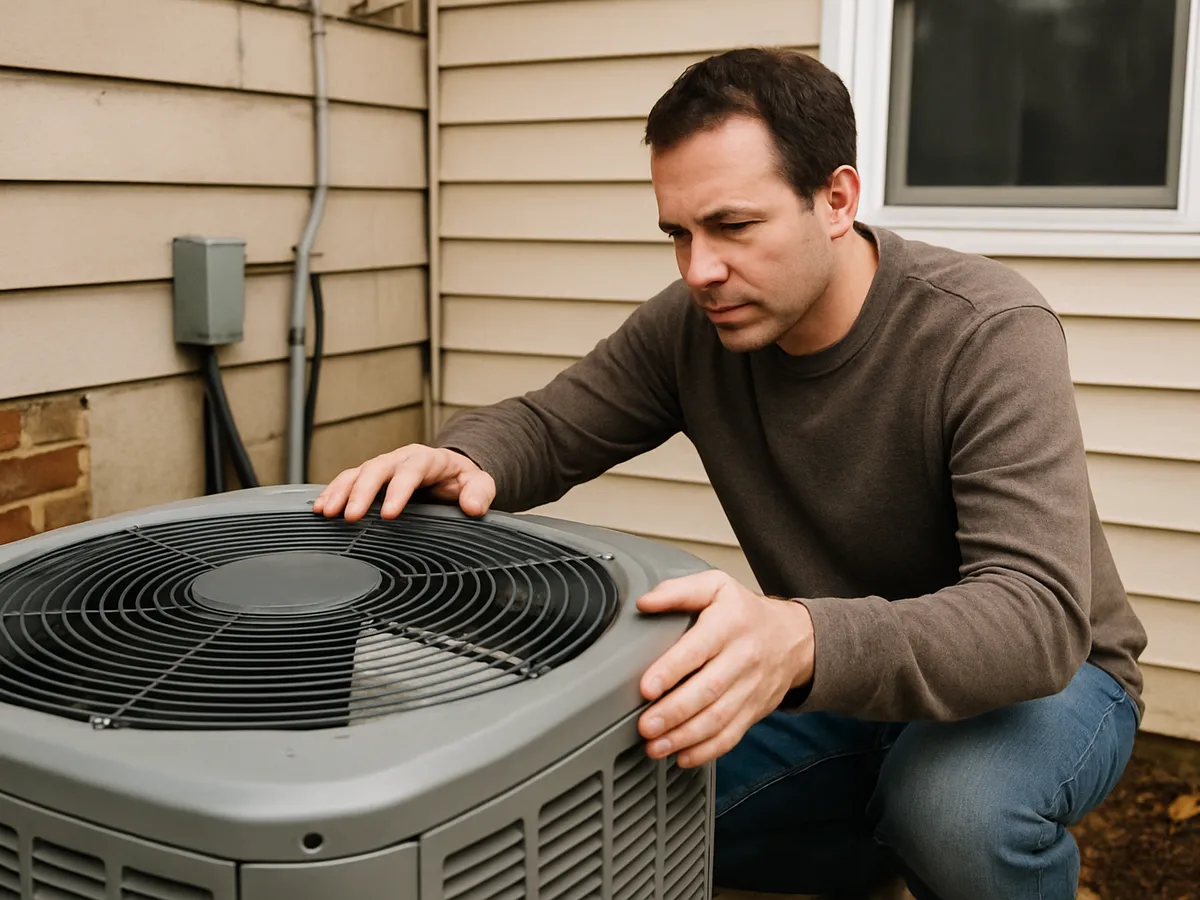
A gas furnace creates heat through combustion. Natural gas burns inside a sealed combustion chamber, and the resulting heat is transferred through a heat exchanger before the blower distributes warm air through the home's ductwork.
A furnace generates heat rather than extracting it from outdoor air, its heating output remains relatively consistent as outdoor temperatures fall. Supply air can also feel noticeably hotter, often around 120°F to 140°F at the registers.
Furnace burns fuel, every home with one should have working carbon monoxide alarms on each level and outside sleeping areas. If you ever smell gas, leave the house and call the gas utility or 911 from outside rather than investigating it yourself.
A heat pump works differently. It moves heat from one location to another using a refrigeration cycle, similar to an air conditioner operating in reverse during heating mode.
Instead of creating heat through combustion, the outdoor unit extracts available heat from outside air and transfers it indoors. As outdoor temperatures become colder, there is less heat available to extract, so the system may require more operating time or supplemental heat.
What Does Your Existing Home Setup Change?
Before comparing efficiency ratings or equipment brands, look at the systems and infrastructure already in the house. An existing gas connection, duct system, and electrical panel can significantly affect the cost and complexity of a replacement.
An HVAC contractor should evaluate several parts of the existing setup:
- Gas availability: An existing gas line can make furnace or dual-fuel installation more straightforward.
- Ductwork condition: Heat pumps can require greater airflow, making duct sizing and condition important.
- Electrical capacity: An all-electric system with electric backup may require more electrical capacity.
- Duct sealing: Leaky return or supply ducts can reduce comfort and efficiency with either system.
- Equipment space: The indoor cabinet and outdoor equipment need adequate space for installation and service.
- Existing cooling system: A heat pump can provide both heating and cooling, which changes the overall replacement comparison.
A replacement should not simply be based on the size of the old furnace. Changes to insulation, windows, additions, ductwork, and the home's overall condition can change the heating load.
Furnace vs. Heat Pump: Cost, Efficiency, and Comfort Compared
The right comparison should consider the complete system rather than looking only at the equipment price. A furnace replacement may have a lower initial cost when gas service and usable infrastructure already exist, while a heat pump can replace both heating and cooling equipment.
| Factor | Gas Furnace | Heat Pump |
|---|---|---|
| Upfront installation | Often lower when gas and ducts already exist | Can be higher, especially with electrical or duct modifications |
| Heating method | Creates heat through combustion | Moves heat from outdoor air |
| Cooling | Requires separate AC system | Provides heating and cooling |
| Mild-weather efficiency | Good | Typically very efficient |
| Cold-weather operation | Strong heating output | Output and efficiency decrease as temperatures fall |
| Heat feel | Hotter supply air | Warmer, steadier airflow |
| Typical lifespan | About 15–20 years | About 12–15 years |
| Backup heat | Usually not needed | May require electric or gas backup |
| Maintenance | Annual heating maintenance is important | Annual service is important because it operates year-round |
Upfront Cost and What It Includes
If a home already has natural gas service and usable ductwork, replacing an existing furnace can be relatively straightforward. A heat pump may have a higher initial installation cost, but it also provides cooling, so comparing a furnace price against the heat pump alone does not give the complete picture.
The quote should account for the entire system, including indoor and outdoor equipment, electrical requirements, duct modifications, controls, removal of old equipment, and installation labor. Our Lennox installation cost estimator gives a useful starting figure, and financing options can spread the cost when a replacement arrives sooner than planned.
It is also worth asking about efficiency ratings and incentives. Furnaces are rated by AFUE, heat pumps by SEER2 for cooling and HSPF2 for heating, and higher-rated equipment may qualify for federal tax credits or utility rebates. Ask which programs are active when you request your quote, since they change from year to year.
Operating Costs Through a Springfield Winter
Northern Virginia winters include plenty of moderate-temperature days as well as periods of much colder weather. A heat pump can operate efficiently during milder conditions because it moves existing heat rather than generating it through combustion.
As outdoor temperatures fall, however, the heat pump has to work harder to extract usable heat. Backup heating may eventually be required, so homeowners should understand how the proposed system handles colder periods rather than judging operating costs from efficiency ratings alone.
Comfort and How the Heat Feels
Furnace air generally feels hotter because the system is producing heat through combustion. This can create the quick, noticeable burst of warmth many homeowners are accustomed to.
Heat pumps usually provide steadier heating with longer operating cycles and lower supply-air temperatures, typically around 90°F to 110°F depending on conditions. The air may feel less hot when you place your hand over a register, even though the system is operating normally and maintaining the desired indoor temperature.
Lifespan and Maintenance
A gas furnace typically has a service life of roughly 15 to 20 years, while a heat pump often lasts around 12 to 15 years because it operates for both heating and cooling.
Those numbers are general ranges rather than guarantees. Installation quality, operating hours, maintenance, equipment condition, and the home's environment all affect how long a system remains reliable.
Backup Heat and Cold-Weather Performance
Backup heat is one of the most important questions to ask when considering a heat pump. Depending on the system, supplemental heating may come from electric resistance heat or a gas furnace in a dual-fuel configuration.
A dual-fuel system can use the heat pump during moderate weather and switch to the furnace when conditions become less favorable for heat-pump operation. The changeover strategy should be discussed during the installation process so you understand how the system is designed to operate.
Does a Heat Pump Work During Cold Weather in Springfield?
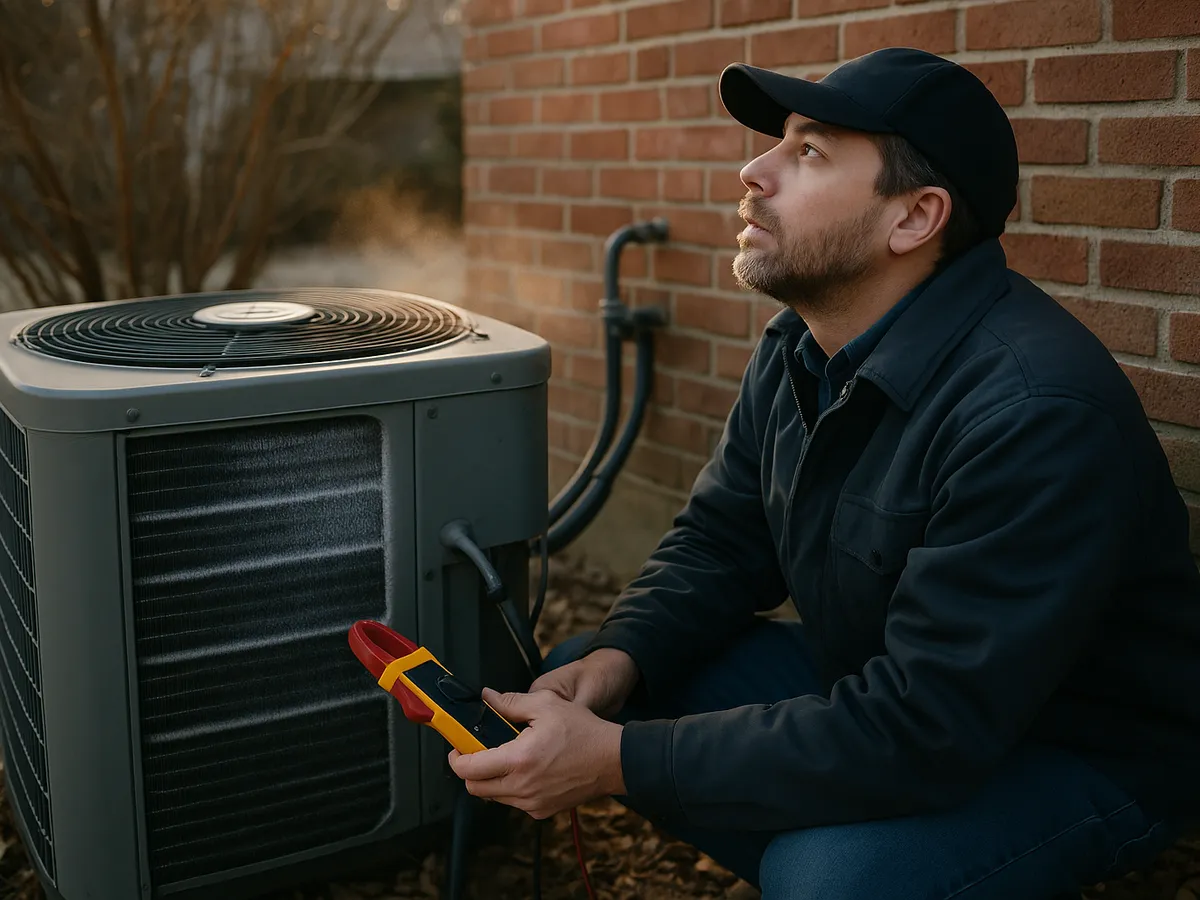
Yes. A properly selected heat pump can provide heating during below-freezing weather, but its capacity and efficiency change as outdoor temperatures decrease.
This is why sizing matters. The system should be selected based on the home's heating load and the temperatures it is expected to encounter, rather than simply replacing the old equipment with the same capacity.
For homeowners considering a heat pump, professional heat pump installation and replacement in Springfield, VA should include an evaluation of the home's heating requirements, ductwork, electrical capacity, and backup-heating strategy. Because a heat pump handles cooling as well, it is worth comparing that quote against a separate furnace plus air conditioning installation or replacement.
The goal is not simply to find a heat pump that can produce heat. The system needs to deliver enough capacity for the home while operating efficiently during the temperatures that are typical for the area.
What Should a Contractor Check Before Recommending a System?
A proper replacement assessment should look at the entire heating system and the home rather than relying on the old equipment's nameplate.
Before approving a replacement, ask whether the HVAC contractor will evaluate:
- Heating load: What heating capacity does the house actually require?
- Ductwork: Are the ducts correctly sized, sealed, and capable of delivering the required airflow?
- Fuel availability: Is natural gas already connected to the home?
- Electrical capacity: Can the electrical system support the proposed heat pump and backup heat?
- Existing AC: Does the current cooling system also need replacement?
- Backup strategy: What happens when outdoor temperatures become extremely cold?
- Installation requirements: Are modifications needed for the indoor or outdoor equipment?
- Long-term costs: How do the expected installation and operating costs compare?
A qualified heating contractor should be able to explain these factors before recommending a specific system.
What Are the Signs You Should Replace Your Heating System Before Winter?
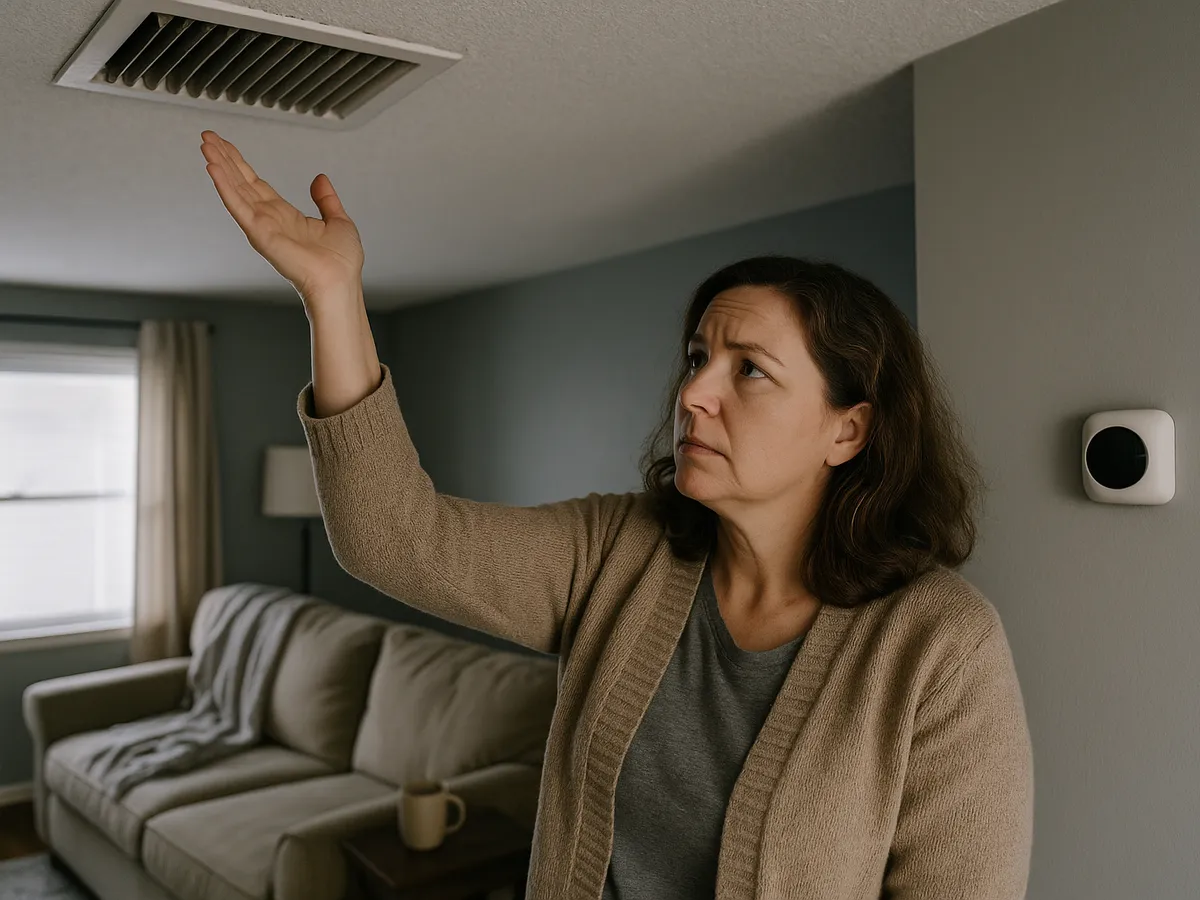
Age by itself does not determine whether you need a new heating system. For a Springfield, VA home, the more useful question is how the existing equipment performs as winter approaches. Frequent repairs, uneven heating, rising energy use, or difficulty maintaining the thermostat can indicate that replacement is worth comparing with continued repairs.
Look for:
- Frequent repairs: Repeated service calls can make an older system increasingly expensive to keep running.
- Uneven heating: Rooms that remain cold despite normal equipment operation may indicate equipment or ductwork problems.
- Rising energy bills: A noticeable increase in heating costs can indicate declining efficiency or another system problem.
- Unusual noises: Grinding, rattling, repeated cycling, or other new sounds deserve attention.
- Poor heating performance: The system may run for long periods without maintaining the thermostat setting.
- System age: Equipment approaching or exceeding its typical service life deserves a closer replacement evaluation.
A professional inspection can help distinguish between a repairable problem and a system that is nearing the end of its useful service life.
Frequently Asked Questions
Is a heat pump cheaper to run than a gas furnace in Virginia?
Operating costs depend on outdoor temperatures, electricity and gas rates, equipment efficiency, system sizing, and how the home is used. Heat pumps can operate very efficiently during moderate weather, while a gas furnace can have an operating-cost advantage during some colder periods.
Can I add a heat pump to my existing gas furnace?
Often yes, which creates a dual-fuel system. The existing furnace stays in place as the backup heat source while a heat pump handles milder weather. The furnace needs to be in good condition with sufficient remaining service life, and the controls must be set up to switch between the two at the right outdoor temperature.
Can a heat pump use my existing furnace ductwork?
It may be possible, but the ductwork should be evaluated first. Heat pumps can require substantial airflow, so undersized, restrictive, or poorly sealed ducts may need modification to provide proper comfort and system performance.
What is a dual-fuel heating system?
A dual-fuel system combines a heat pump with a gas furnace. The heat pump handles heating during moderate outdoor temperatures, while the gas furnace provides another source of heat when colder conditions make heat-pump operation less favorable.
How long does a heating system replacement take?
Most straightforward furnace or heat pump replacements are completed in one day when the existing ductwork, gas line, and electrical service can be reused. Add time when ducts need modification, electrical capacity must be upgraded, or a dual-fuel system with new controls is being installed.
Why Choose Max HVAC Systems for Heating System Replacement in Springfield, VA?
Choosing between a furnace and heat pump starts with understanding what your home actually needs. At Max HVAC Systems, we can evaluate the existing heating equipment, ductwork, fuel source, electrical requirements, and overall system condition before recommending a replacement approach.
For Springfield, VA homeowners, the right choice may be a gas furnace, heat pump, or dual-fuel system depending on the home's infrastructure and heating requirements. If you are considering a heat pump, our heat pump installation and replacement service can help you understand the equipment and installation requirements for your home.
If your existing system is aging or struggling to keep up before winter, our heating contractors in Springfield, VA can help you evaluate whether repair or replacement makes more sense. Our technicians are NATE certified and EPA 608 certified, working under a Master HVAC license. Call Max HVAC Systems at (571) 462-8820 to discuss your heating system before the colder weather arrives.