Skip to content

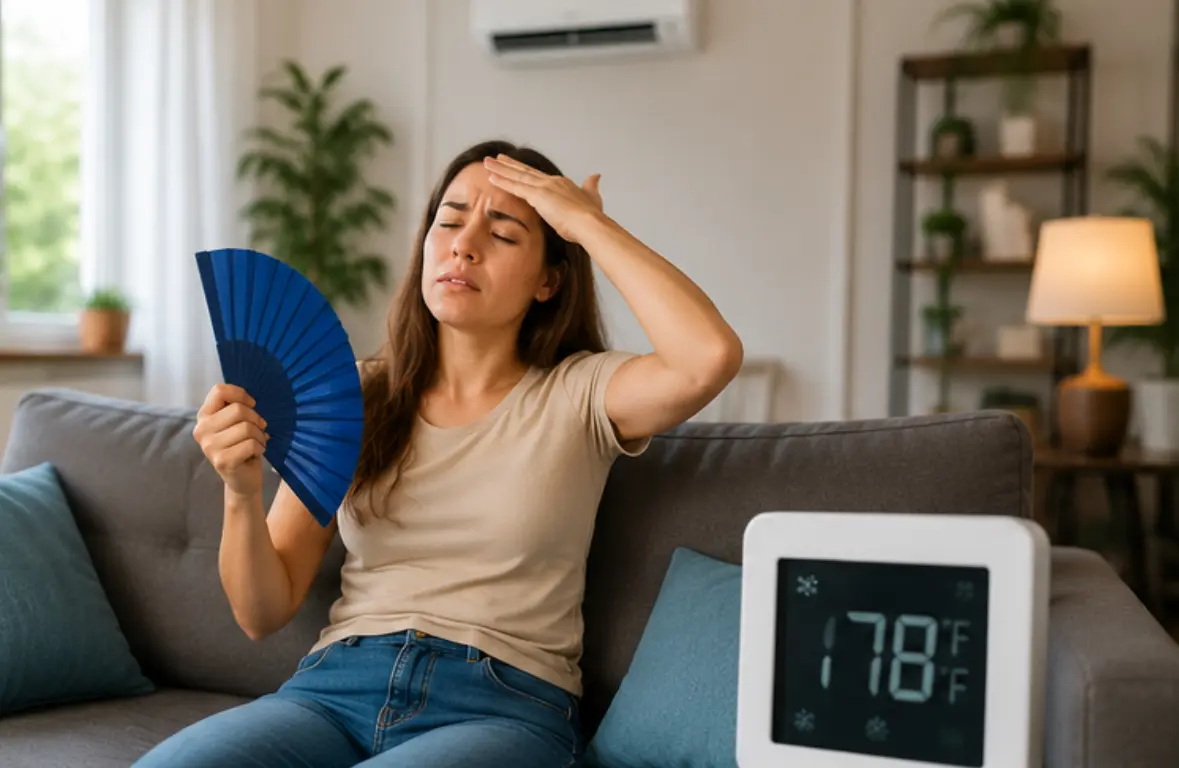
Does one bedroom always feel several degrees warmer than the rest of your home? Maybe the upstairs stays stuffy in the afternoon while the living room feels perfectly comfortable. These hot spots are a clear sign that your HVAC system is not distributing cool air evenly, even though the air conditioner may be running exactly as expected.
For homeowners in Springfield and throughout the DMV Area, uneven cooling is especially common during humid summer weather when air conditioners run for hours at a time. Restricted airflow, leaky ductwork, poor insulation, and thermostat placement can all contribute to rooms that remain 4 to 8°F warmer than the rest of the house. Read below to learn what causes uneven cooling and how practical adjustments—and professional air conditioning repair services when needed—can help restore consistent comfort to every room.
Why Some Rooms Stay Hot While Others Feel Comfortable
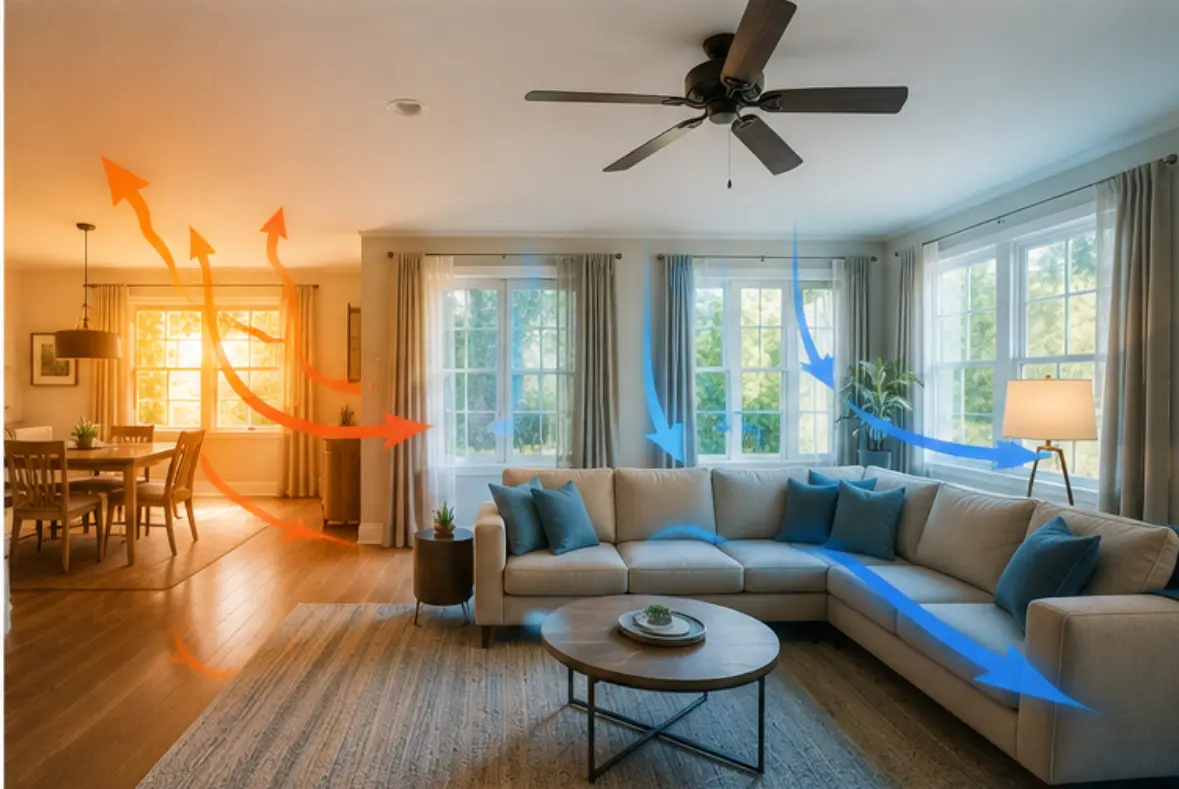
Uneven cooling happens when the amount of conditioned air reaching each room does not match the heat load in that space. Some areas naturally gain more heat because of large windows, west-facing walls, vaulted ceilings, or second-story locations. Other rooms may receive less airflow due to duct design, partially closed dampers, or restrictions within the HVAC system.
In many DMV homes, temperature differences of 3 to 5°F between rooms are common when airflow is not properly balanced. During extended summer heat, those differences can become even more noticeable, especially in bonus rooms, upper-floor bedrooms, and spaces above garages.
Rooms Most Likely to Develop Hot Spots
| Room Type | Why It Often Feels Warmer |
|---|---|
| Upstairs Bedrooms | Heat rises and cooling demand is higher |
| West-Facing Rooms | Afternoon sun adds significant heat gain |
| Rooms Above Garages | Heat transfers upward from the space below |
| Bonus Rooms | Longer duct runs may reduce airflow |
| Sunrooms | Large windows increase solar heat gain |
When certain rooms are consistently warmer, the issue is usually related to airflow, duct performance, insulation, or thermostat control rather than the AC unit alone.
Airflow Restrictions That Disrupt Temperature Balance
Airflow is the foundation of consistent comfort. If your HVAC system cannot move the proper amount of air, some rooms will cool adequately while others remain warm and stuffy.
One of the most common causes is a clogged air filter. As the filter becomes loaded with dust and debris, the blower has to work harder to pull air through the system. Over time, this reduces airflow to distant rooms first. Dirty evaporator coils, blocked return grilles, and aging blower motors can create similar problems.
Common Sources of Airflow Restriction
- Dirty Air Filters: Restrict the volume of air moving through the system.
- Blocked Return Vents: Limit the air returning to the air handler.
- Dirty Evaporator Coils: Reduce both airflow and heat transfer.
- Weak Blower Motors: Deliver less conditioned air to the home.
- Closed Supply Registers: Disrupt the designed airflow balance.
If airflow is reduced by even a moderate amount, upper-floor rooms and long duct runs are often the first places where uneven temperatures become noticeable.
Ductwork Problems That Cause Uneven Cooling
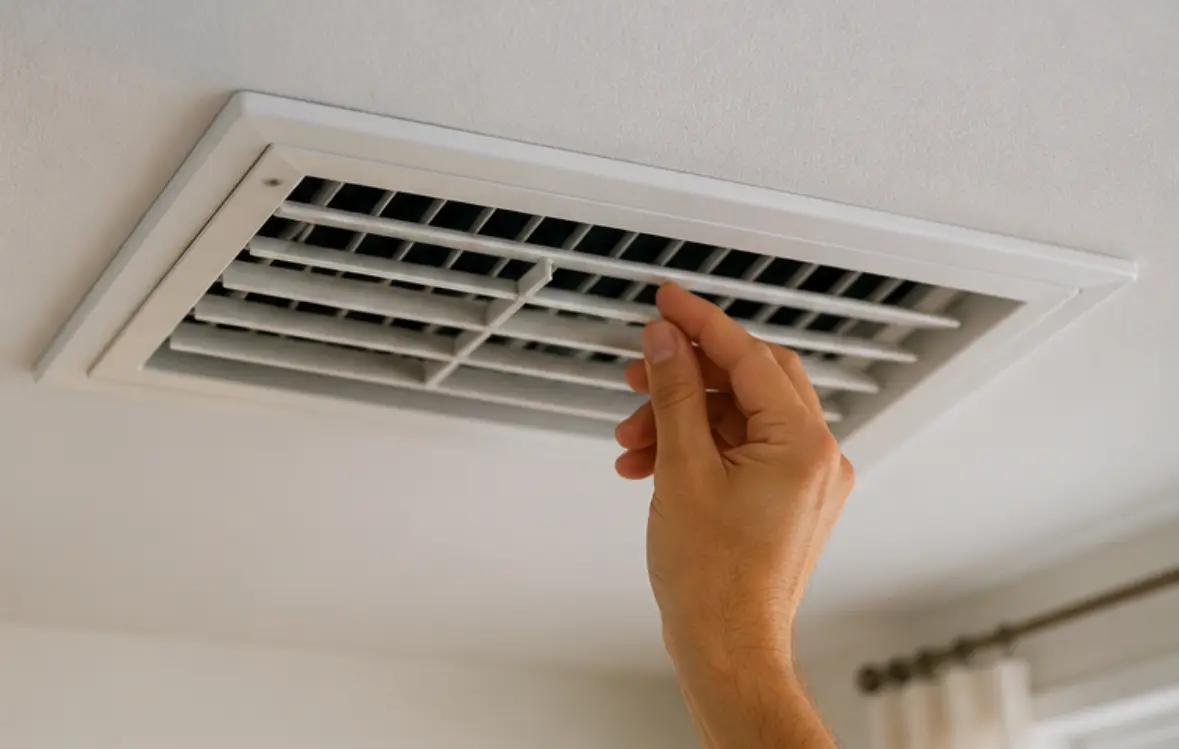
Even when the air conditioner itself is operating properly, damaged or poorly designed ductwork can prevent conditioned air from reaching certain rooms. This is especially common in older homes throughout the DMV area, where ducts may have developed leaks, disconnected sections, or insulation damage over time.
A supply duct with a loose connection can leak a significant amount of cooled air into the attic, crawl space, or basement before it ever reaches the room it is intended to serve. Flexible ducts can also become crushed or kinked, reducing airflow to individual branches.
Signs Your Ductwork May Be Contributing to Hot Spots
- One room is consistently 4 to 8°F warmer than the rest of the home.
- Airflow feels much weaker at certain supply vents.
- Rooms at the end of long duct runs never seem comfortable.
- Dust accumulates quickly around some registers.
- Utility bills increase while comfort declines.
Professional duct inspection and airflow testing can identify whether leaks, restrictions, or balancing issues are preventing your HVAC system from cooling the home evenly.
Insulation and Sun Exposure Issues That Affect Certain Rooms
Not every hot spot is caused by the HVAC system itself. In many cases, the room simply gains heat faster than the air conditioner can remove it. This is particularly common in west-facing bedrooms, rooms with large windows, and spaces located directly under the roof.
During a sunny summer afternoon, attic temperatures can exceed 120°F, and poorly insulated ceilings allow that heat to transfer into the living space below. Older windows, thin attic insulation, and inadequate air sealing can all make one room feel significantly warmer than the rest of the house.
Heat Gain Factors That Commonly Affect Comfort
- West-Facing Windows: Receive intense afternoon sunlight.
- Insufficient Attic Insulation: Allows heat to move into upper rooms.
- Air Leaks: Warm outdoor air enters around windows and doors.
- Uninsulated Knee Walls: Common in finished bonus rooms and upper floors.
- Older Windows: Transfer more heat into the home.
When insulation and solar heat gain combine with even minor airflow problems, certain rooms can become uncomfortable despite the air conditioner running normally.
How Thermostat Placement Influences Whole-Home Comfort
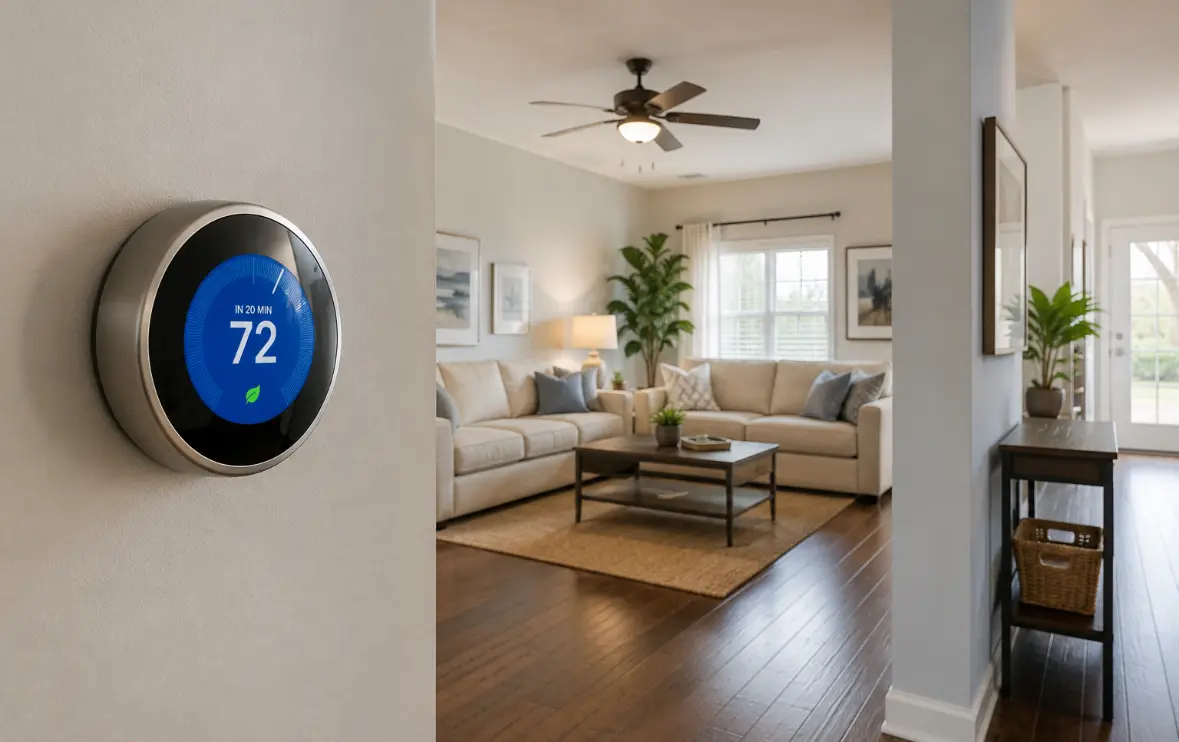
Many homeowners assume the thermostat measures the average temperature of the entire house. In reality, it only responds to the conditions in the small area where it is mounted. If that location stays cooler than the rest of the home, the air conditioner may shut off even though other rooms are still noticeably warm.
This issue is especially common in two-story homes throughout the DMV Area. A thermostat installed in a shaded first-floor hallway may reach 72°F quickly, while west-facing bedrooms upstairs continue absorbing heat from the afternoon sun and remain 5°F or more warmer.
When Thermostat Location Creates Uneven Cooling
- Cool Hallway Placement: The thermostat is installed in an area with minimal sun exposure and lower heat gain.
- Upper-Floor Hot Spots: Bedrooms upstairs stay warmer because the thermostat never “sees” those conditions.
- Premature System Shutdown: The AC turns off before distant rooms reach the desired temperature.
- Constant Thermostat Adjustments: Lowering the setting provides temporary relief but does not solve the underlying imbalance.
If thermostat placement is contributing to uneven cooling, solutions such as relocating the thermostat, adding wireless room sensors, or installing zoning controls can help the system respond more accurately to temperatures in the rooms that tend to stay warm.
Simple Steps Homeowners Can Take to Improve Airflow
Not every hot spot requires duct modifications or major HVAC repairs. In many homes, a few basic maintenance steps can noticeably improve airflow and reduce temperature differences between rooms. These adjustments are especially helpful when one bedroom feels 3 to 5°F warmer than the rest of the house or when certain vents seem weaker than others.
Before scheduling professional service, it is worth checking several common issues that homeowners can address on their own.
Easy Ways to Improve Cooling Balance
- Change Filters: Replace standard 1-inch air filters every 60 to 90 days, or every 30 to 60 days if you have pets or allergy concerns.
- Open Registers: Keep all supply vents fully open so the system can deliver the airflow it was designed to provide.
- Clear Returns: Maintain at least 6 to 12 inches of space around return grilles to allow unrestricted air circulation.
- Open Doors: Leave interior doors open, especially to upstairs bedrooms and rooms at the end of long duct runs.
- Close Blinds: Use curtains or blinds during peak afternoon hours to reduce solar heat gain in west-facing rooms.
- Trim Debris: Keep at least 2 feet of clearance around the outdoor condenser for proper heat rejection.
These small steps often improve airflow and comfort noticeably. If certain rooms remain significantly warmer after making these adjustments, a professional HVAC evaluation can identify deeper airflow, ductwork, or system performance issues.
How Professional HVAC Solutions Restore Even Cooling
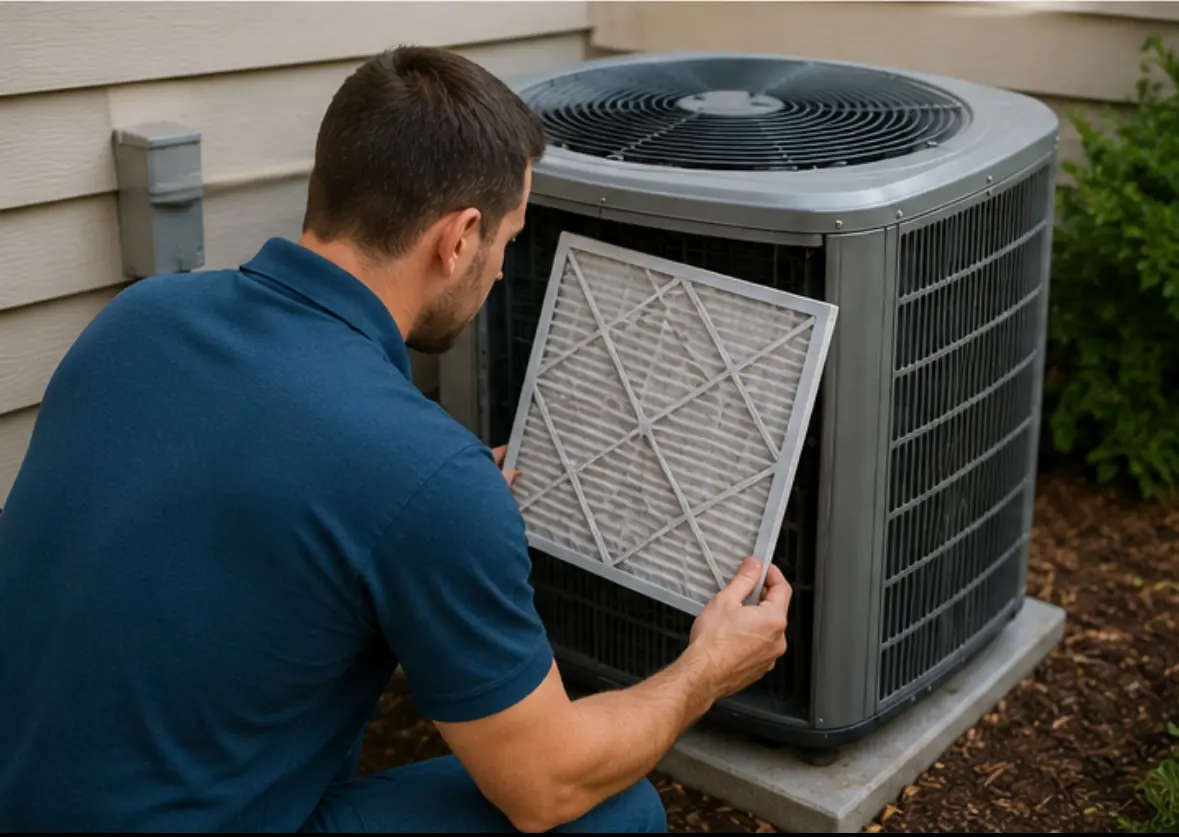
When simple adjustments are not enough, a professional evaluation can identify the specific reasons certain rooms are not receiving adequate cooling. Technicians use airflow measurements, static pressure testing, and duct inspections to determine whether the problem is related to equipment performance, duct design, or heat gain.
Depending on the findings, solutions may include duct sealing, airflow balancing, blower adjustments, thermostat upgrades, or targeted HVAC repair services. In some homes, these corrections can reduce room-to-room temperature differences from 5–8°F to just 1–2°F.
Benefits of Professional Airflow Correction
- More Consistent Temperatures: Rooms cool more evenly throughout the home.
- Improved Comfort: Hot spots and stuffy areas are reduced.
- Better Humidity Control: Air circulates properly across the system.
- Lower Energy Costs: The AC no longer runs longer than necessary.
- Reduced Equipment Strain: Major components operate more efficiently.
When certain rooms never seem comfortable, a thorough HVAC assessment can reveal solutions that go far beyond simply lowering the thermostat.
Why Choose Max HVAC for HVAC Service in the DMV Area

Uneven cooling is rarely caused by a single issue. It often involves a combination of airflow restrictions, ductwork problems, thermostat placement, and heat gain that requires a systematic approach to diagnose correctly.
Max HVAC provides trusted HVAC services for homeowners throughout Springfield and the surrounding DMV Area. Our experienced technicians evaluate airflow, inspect duct systems, and recommend practical solutions that restore balanced comfort to every room.
Whether your home needs targeted air conditioning repair, duct improvements, or a complete system performance assessment, we focus on delivering reliable comfort and even cooling throughout your home.