 Skip to content

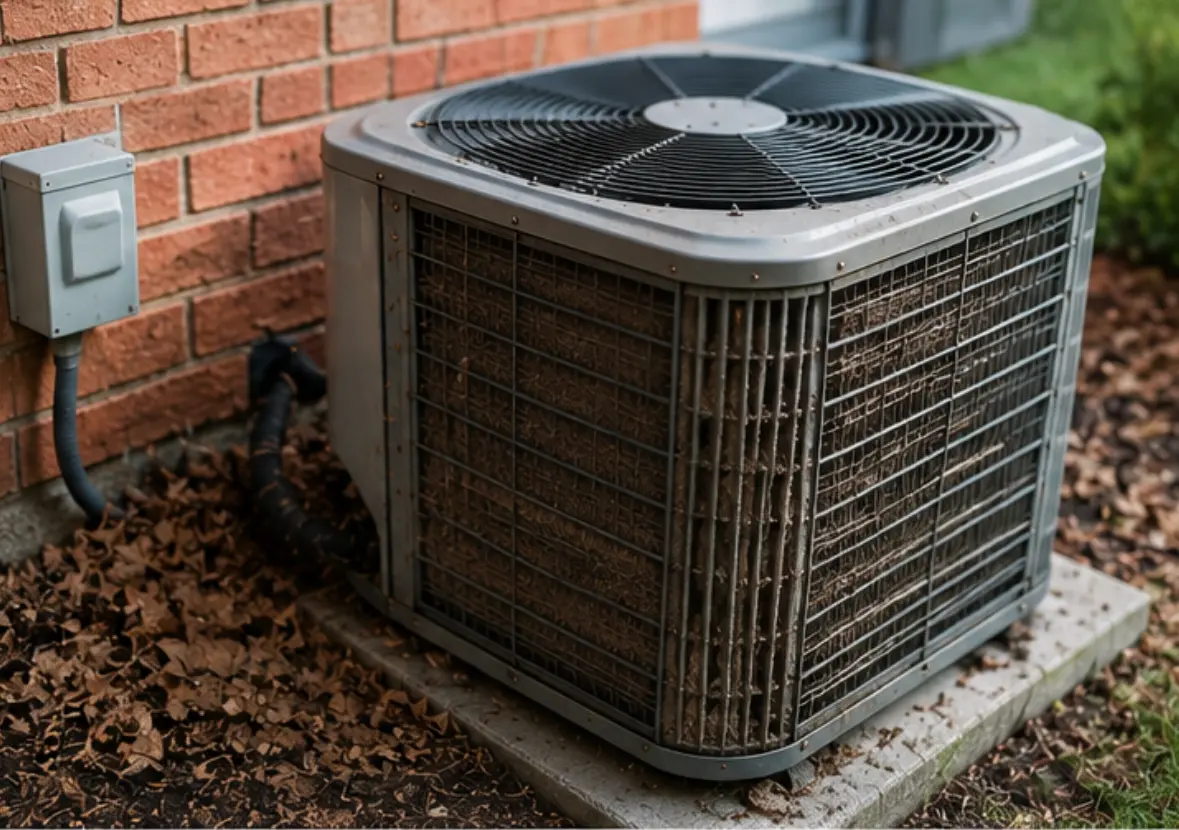
If your air conditioner is running but the airflow feels weaker than usual, rooms take longer to cool, or your home never feels quite comfortable, the system is often signaling that something is reducing its performance. These problems usually develop gradually. At first, you may only notice a back bedroom staying warmer than the rest of the house or the thermostat taking longer to reach the set temperature.
For homeowners in DMV Area, summer heat and humidity place significant demand on air conditioning systems. During July and August, many units operate 10 to 16 hours per day while also removing large amounts of indoor moisture. Even a minor issue, such as a clogged filter, dirty coil, or weak capacitor, can noticeably reduce cooling capacity during these peak conditions.
Read below to learn why your AC may feel weak even while it is running and how professional air conditioner repair services can restore strong airflow, lower energy costs, and help your system perform like it should.
Why Your Air Conditioner May Feel Weak Even While It’s Running
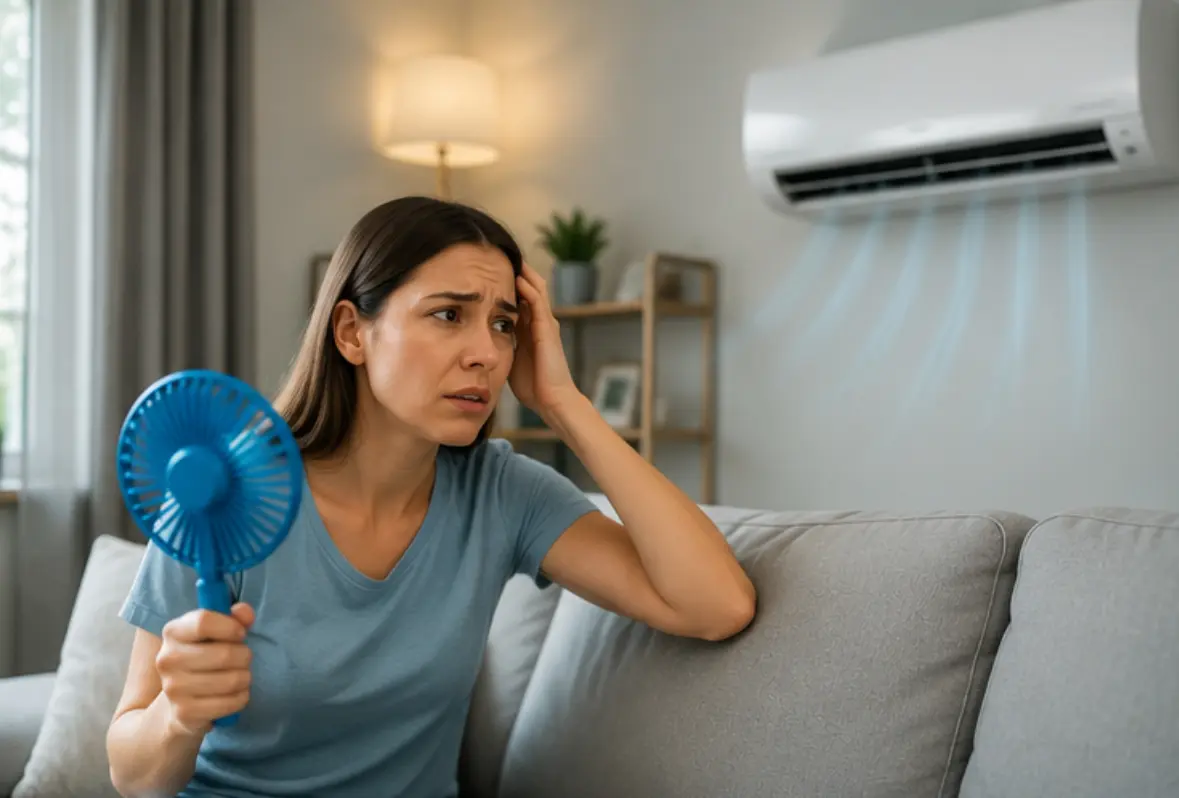
One of the most common misconceptions is that if the air conditioner turns on, it must be working properly. In reality, an AC can continue operating while delivering far less cooling than it was designed to provide. The thermostat keeps calling for cooling, but reduced airflow, lower refrigerant levels, or declining electrical components prevent the system from keeping up.
In a properly functioning system, conditioned air should feel strong and noticeably cool at the supply vents, and indoor temperatures should drop steadily during each cycle. When performance begins to decline, the equipment often runs longer while delivering less comfort.
Common Symptoms of a Weak-Performing AC
| What You Notice | What It Often Means |
|---|---|
| Weak Air From Vents | Airflow restrictions or blower issues |
| Rooms Cooling Slowly | Reduced system capacity |
| Sticky Indoor Air | Poor humidity removal |
| Constant Runtime | The system is struggling to meet demand |
| Rising Utility Bills | Efficiency has declined |
These symptoms are early indicators that your air conditioner needs attention before a larger and more expensive breakdown occurs.
Weak Airflow and Longer Cooling Cycles Throughout the Home
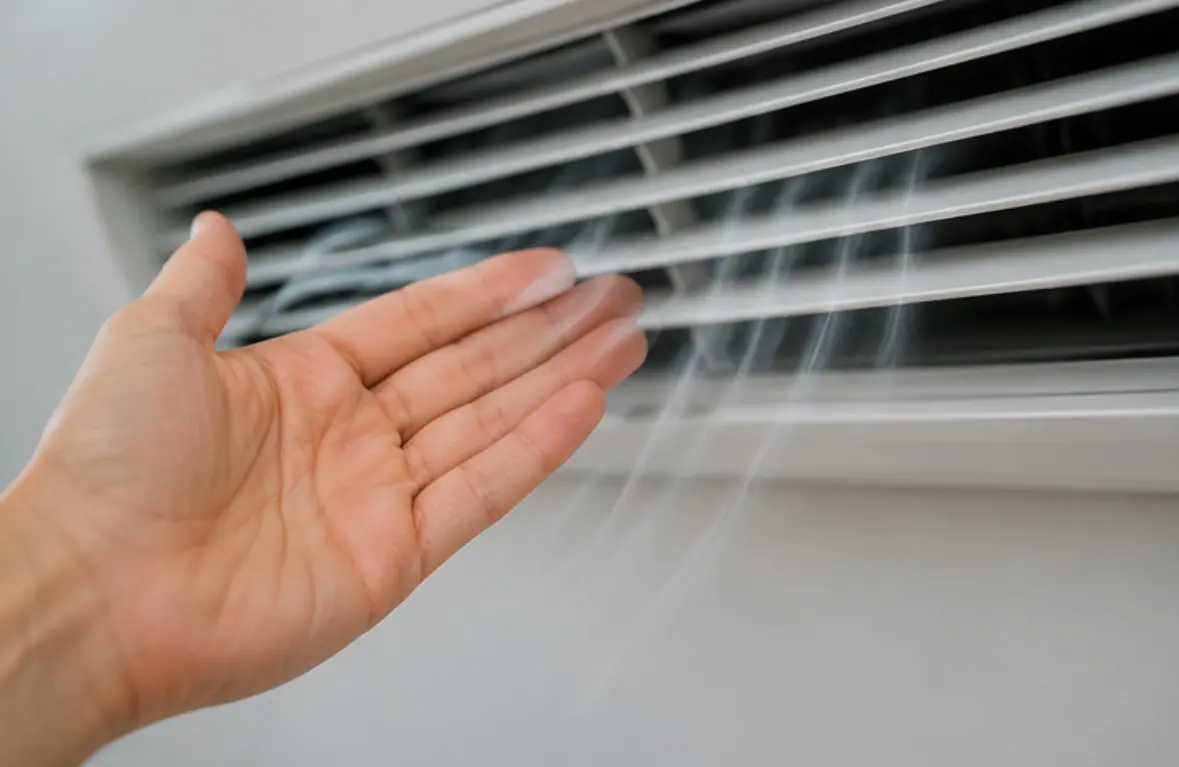
Weak airflow is one of the clearest signs that your air conditioner is no longer operating efficiently. Instead of delivering a strong stream of cool air, some vents may feel noticeably weaker, especially in rooms furthest from the indoor unit. Bedrooms on upper floors and sun-exposed areas are often the first places homeowners notice a difference.
When airflow is reduced, the thermostat remains unsatisfied for longer periods, and cooling cycles stretch well beyond their normal length. Under typical summer conditions, most homes should cool by several degrees within 15 to 25 minutes. If your system runs for 45 minutes or more with little improvement, it is likely struggling with an underlying airflow or performance problem.
Common Causes of Weak Airflow
- Clogged Air Filters: Dust buildup restricts the amount of air passing through the system.
- Dirty Evaporator Coils: Reduced heat transfer limits both cooling and dehumidification.
- Blower Motor Wear: The indoor fan may no longer move air effectively.
- Duct Restrictions: Leaks or obstructions prevent conditioned air from reaching certain rooms.
- Frozen Coils: Ice buildup blocks airflow almost completely.
If some rooms remain warmer than others or you find yourself lowering the thermostat repeatedly, your system is already working harder than necessary.
Dirty Filters and Blocked Coils That Restrict Cooling
Among all the causes of weak AC performance, dirty filters and contaminated coils are two of the most common. They develop gradually and can reduce efficiency long before homeowners realize how much cooling capacity has been lost.
A heavily loaded air filter restricts airflow across the indoor coil, while dirt on the evaporator and condenser coils interferes with heat transfer. Together, these issues force the system to run longer, increase electrical consumption, and place additional stress on the compressor.
How These Problems Affect Your Comfort
- Reduced Airflow: Less conditioned air reaches the living space.
- Longer Cooling Cycles: The thermostat takes much longer to satisfy.
- Poor Humidity Control: The home may feel cool but still damp.
- Higher Energy Bills: The system consumes more electricity to maintain comfort.
- Greater Component Wear: Compressors and motors operate under heavier strain.
Routine air conditioning maintenance service can correct these issues before they lead to more significant equipment problems.
Low Refrigerant and Other Hidden Efficiency Problems
Some air conditioning problems are easy to spot, while others develop quietly inside the system. Low refrigerant is one of the most common hidden issues. The unit still runs, but it removes less heat and humidity from the home, making the airflow feel weak and the cooling noticeably less effective.
Homeowners may first notice that the air coming from the vents is not as cold as it used to be or that the system runs for long periods without reaching the desired temperature. In some cases, ice forms on the refrigerant lines or the indoor coil. Other hidden problems, such as weak capacitors, failing contactors, and aging blower motors, can create similar symptoms.
Because these issues often worsen gradually, they are easy to ignore until the system is placed under heavy demand during a DMV heat wave. Professional diagnostics can identify the exact cause and restore your air conditioner’s original cooling performance before a complete breakdown occurs.
How DMV Heat and Humidity Increase System Strain
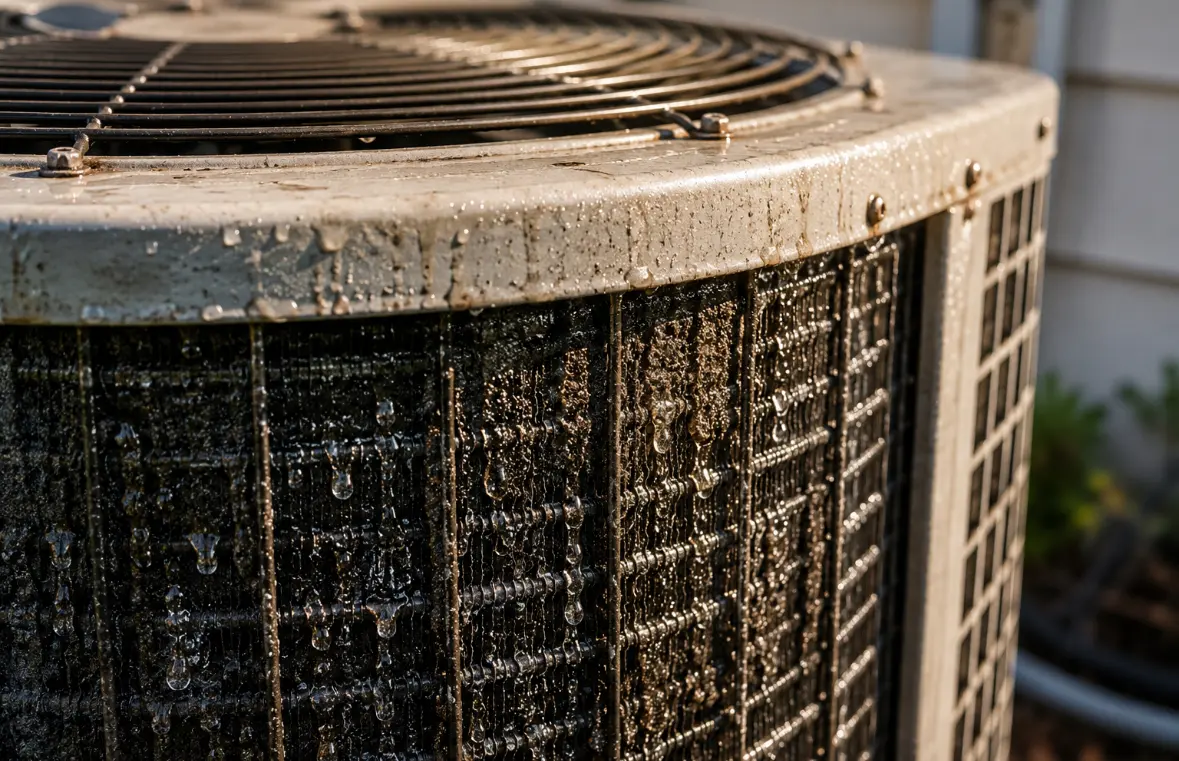
Summer weather across Springfield and the greater DMV Area can be surprisingly demanding on air conditioning systems. On the hottest days, your AC is not only lowering indoor temperatures but also removing large amounts of moisture from the air. That added dehumidification load forces the system to run longer and work harder to keep your home comfortable.
When outdoor temperatures climb into the 90s and humidity remains high, even small performance issues become much more noticeable. A partially clogged filter or weak capacitor that seemed manageable in May can lead to weak airflow and uneven cooling in July. This is why many homeowners first realize something is wrong during a prolonged heat wave.
Why Summer Conditions Expose Hidden Problems
- Longer Runtime: Systems may operate 10 to 16 hours per day during peak summer conditions.
- Higher Humidity Load: The AC must remove moisture as well as heat.
- Increased Electrical Stress: Capacitors and contactors face heavier demands.
- Greater Wear on Motors: Blower and condenser fan motors operate for extended periods.
- More Condensate Production: Drain lines are more likely to clog with algae and debris.
The harsher the weather, the less room your air conditioner has to compensate for existing inefficiencies.
Warning Signs Your Air Conditioner Needs Professional Repair
When an air conditioner feels weak, it is often sending several warning signs before performance drops further. Paying attention to these changes can help you schedule service before a simple repair turns into a more serious and expensive problem.
Signs Your Air Conditioner Needs Attention
| What You Notice | What It Could Mean |
|---|---|
| Airflow Feels Weak | Restricted airflow or blower issues |
| Rooms Stay Warm | Reduced cooling capacity |
| AC Runs Constantly | The system is struggling to meet demand |
| Indoor Air Feels Sticky | Poor humidity removal |
| Unusual Sounds | Electrical or mechanical wear |
| Utility Bills Increase | Efficiency has declined |
If your home no longer feels as comfortable as it once did, professional air conditioner repair can identify the underlying issue and restore dependable cooling.
How Expert AC Service Restores Cooling Performance
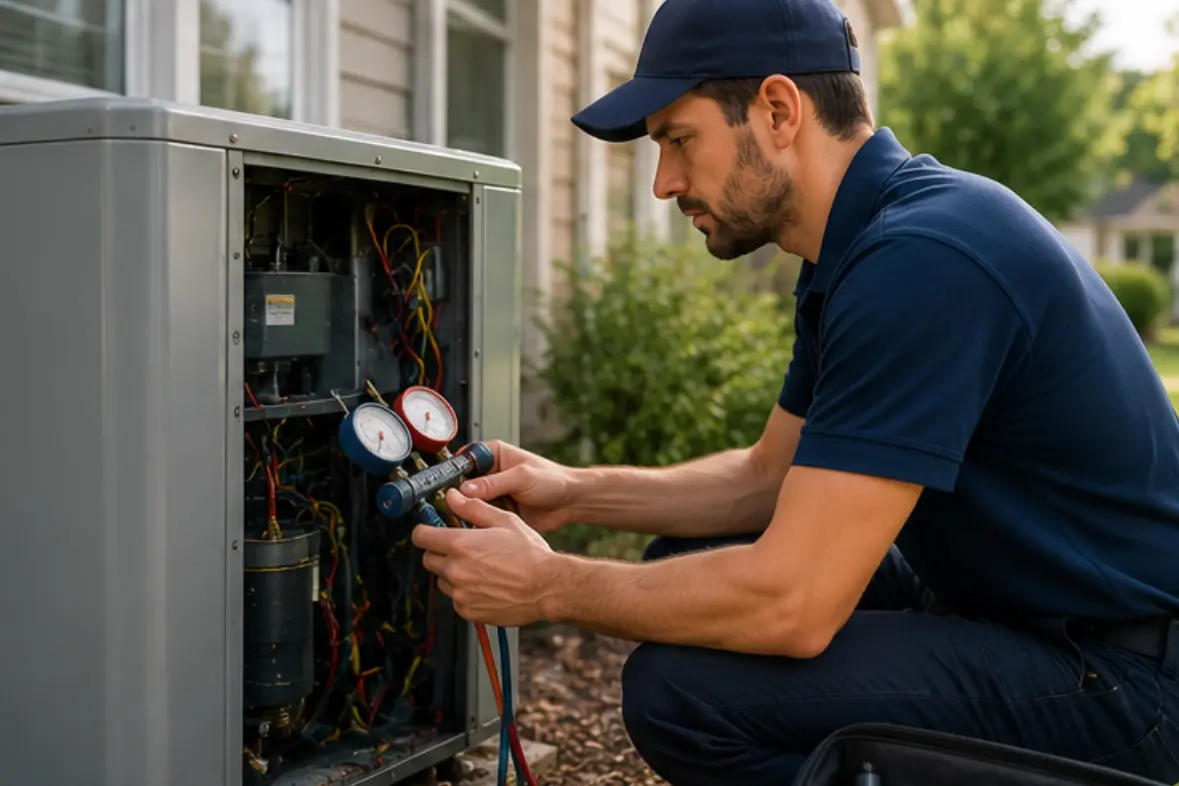
When homeowners say their AC feels weak, the real issue is usually a combination of smaller problems that have built up over time. A thorough service visit focuses on finding the root cause rather than simply treating the most obvious symptom.
Technicians evaluate airflow, inspect the coils, test electrical components, check refrigerant performance, and examine the condensate drainage system.
Once the underlying problem is corrected, homeowners typically notice stronger airflow, shorter cooling cycles, and more consistent temperatures throughout the home.
Benefits You Can Expect After Professional Service
- Stronger Airflow: Vents deliver the amount of cool air your home needs.
- Faster Cooling: Rooms reach the thermostat setting more quickly.
- Lower Humidity: The home feels drier and more comfortable.
- Improved Efficiency: The system uses less energy to maintain comfort.
- Greater Reliability: The risk of midsummer breakdowns is reduced.
When your air conditioner begins to feel weak, choosing an experienced HVAC contractor can help restore performance before the problem leads to a complete loss of cooling.
Why Choose Max HVAC for Air Conditioner Repair in the DMV Area
A weak-performing air conditioner is often a sign that one or more components are no longer operating as they should. Proper repair requires more than replacing parts based on guesswork. It requires a complete understanding of how airflow, refrigerant levels, electrical components, and humidity control work together to keep your home comfortable.
Max HVAC provides trusted AC repair services for homeowners throughout Springfield and the surrounding DMV Area. Our experienced technicians perform detailed diagnostics, explain their findings clearly, and recommend practical solutions that restore strong airflow and reliable cooling.
Whether your system needs targeted repairs or a full performance evaluation, we focus on helping your air conditioner deliver the comfort and efficiency you expect all summer long.




2 Responses
Thank you for this guide. It will help us identify if our AC needs attention. Asking help from experts is practical to avoid huge problem.
Many homeowners assume that lowering the thermostat will solve uneven cooling, but the real issue may be a clogged filter, dirty evaporator coils, restricted ductwork, or low refrigerant. I especially like the point about longer cooling cycles because it is an easy warning sign to overlook. Regular maintenance and professional diagnostics can help identify these problems early, improve comfort, and prevent unnecessary strain on major components.