Skip to content


Few household problems feel more urgent than an air conditioner that stops working during a hot summer day. Indoor temperatures can rise quickly, humidity builds throughout the home, and what starts as a comfort issue can become especially stressful for families with young children, older adults, or anyone sensitive to heat.
Across DMV Area, air conditioning systems work hard during prolonged heat waves and periods of high humidity. When a critical component fails, homeowners often need immediate help to restore cooling and prevent further damage to the system. Read below to learn what to do first when your AC stops working and how professional emergency AC repair services can get your home comfortable again as quickly as possible.
What to Do First When Your Air Conditioner Stops Working
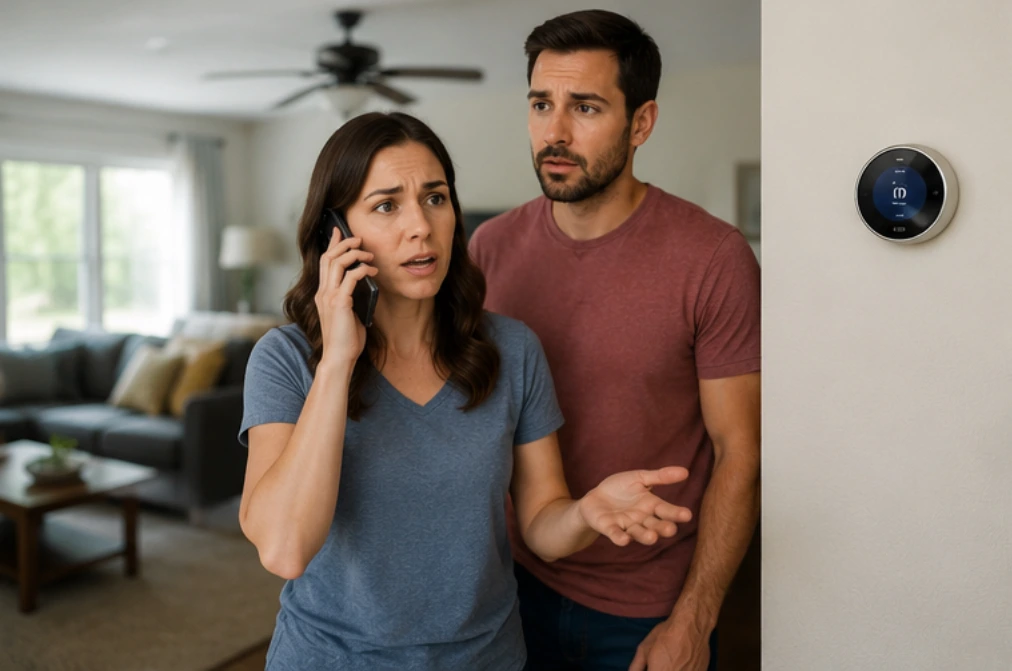
When your air conditioner suddenly shuts down, it is natural to assume the worst. In many cases, however, the safest first step is to perform a few basic checks before calling for emergency service. These quick observations can help you identify obvious issues and provide useful information to the technician.
Safe Steps Homeowners Can Take
- Check the Thermostat: Confirm it is set to “Cool” and the temperature is set below the current room temperature.
- Inspect the Circuit Breaker: A tripped breaker may indicate an electrical fault or overload.
- Replace a Dirty Filter: Severe airflow restrictions can trigger system shutdowns.
- Look for Ice or Water: Frozen coils and condensate drain problems are common causes of no-cooling calls.
- Listen for Unusual Sounds: Buzzing or humming can suggest electrical components are trying to start.
If the system does not restart after these simple checks, or if you notice burning smells, repeated breaker trips, or water around the air handler, it is best to turn the system off and request professional assistance immediately.
Common Reasons AC Systems Fail During DMV Heat Waves
Many air conditioners that appear to fail “without warning” have actually been showing subtle signs of trouble for days or weeks. During a heat wave, the system runs for long periods with very little downtime, which places maximum stress on aging electrical and mechanical components.
In our HVAC experience, the most common emergency repair calls involve issues that become critical only when outdoor temperatures and humidity reach their peak.
Frequent Causes of Emergency AC Failures
| Common Problem | How It Leads to a Shutdown |
|---|---|
| Weak Capacitor | Compressor or fan motors cannot start |
| Dirty Condenser Coil | Causes overheating and high pressure |
| Low Refrigerant | Reduces cooling and may freeze the coil |
| Clogged Drain Line | Activates safety switches and shuts the system off |
| Failed Contactor | Prevents the outdoor unit from running |
| Blower Motor Problems | Stops conditioned air from circulating |
Heat waves expose these weaknesses quickly because the system no longer has any reserve capacity to compensate.
Signs the Problem Requires Immediate Professional Attention
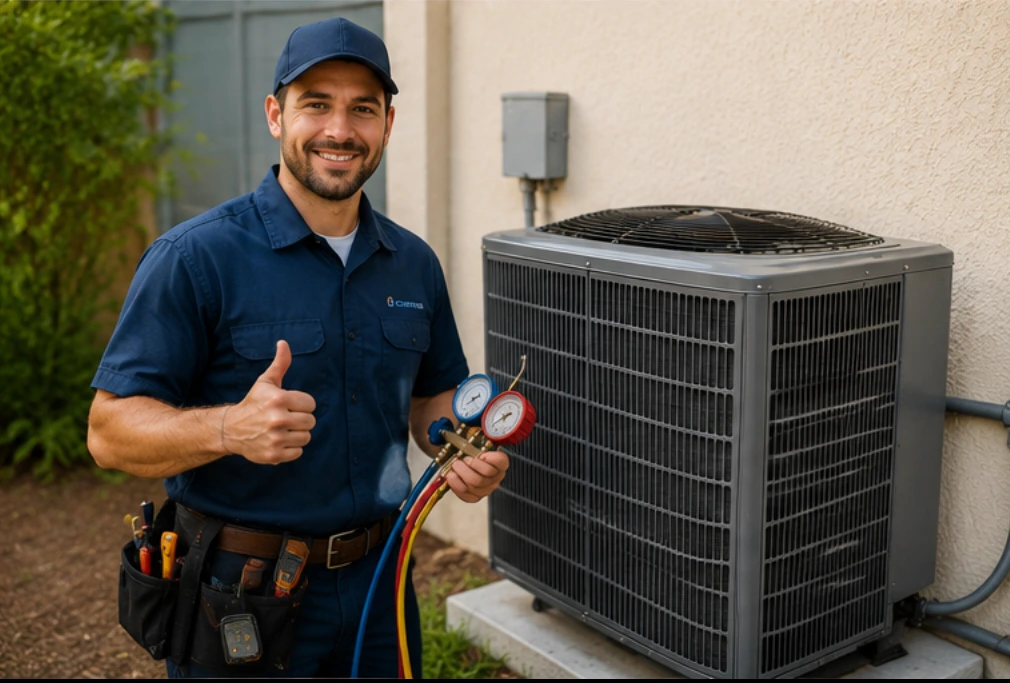
Some air conditioning problems develop gradually, while others indicate that the system is close to a complete shutdown. In the DMV Area, indoor temperatures can climb quickly during summer heat waves, so certain warning signs should be treated as urgent. When these symptoms appear, prompt professional service can restore cooling faster and help prevent more extensive damage to the compressor, electrical components, or surrounding areas of your home.
No Cool Air Coming From the Vents
If your thermostat is calling for cooling but the air from the supply vents feels warm or close to room temperature, the system may be dealing with a compressor issue, low refrigerant, or an electrical failure. When the AC runs without producing cold air, indoor temperatures and humidity can rise rapidly.
Repeated Circuit Breaker Trips
A breaker that trips more than once is often a sign that the system is drawing excessive current. Weak capacitors, failing motors, shorted wiring, or compressor problems can all cause the breaker to shut the system down for safety. Repeated resets rarely solve the underlying issue and may lead to additional damage.
Burning or Electrical Odors
A burning smell should never be ignored. Overheated wiring, damaged capacitors, or failing contactors can produce strong electrical odors that indicate components are under severe stress. Turning the system off immediately is the safest course of action until a technician can inspect the equipment.
Water Around the Indoor Unit
Water pooling near the air handler usually points to a clogged condensate drain line or overflowing drain pan. In addition to shutting the system down, this problem can stain ceilings, damage drywall, and saturate insulation if not addressed promptly.
Grinding, Banging, or Other Loud Noises
Unusual sounds often indicate that mechanical components are loose or wearing out. Grinding may signal failing motor bearings, while banging can suggest a loose blower wheel or compressor issue. These noises tend to worsen quickly and should be evaluated as soon as possible.
Ice on Refrigerant Lines or the Indoor Coil
Ice buildup is a strong indication that airflow or refrigerant performance has been compromised. Although the system may appear to be running, continued operation can place significant strain on the compressor and lead to more expensive repairs.
When your air conditioner shows any of these warning signs, it is best to turn the system off and contact a qualified HVAC contractor immediately. Fast emergency AC repair services can often prevent a relatively small problem from becoming a much larger and more costly breakdown.
How Emergency AC Repair Restores Cooling Quickly
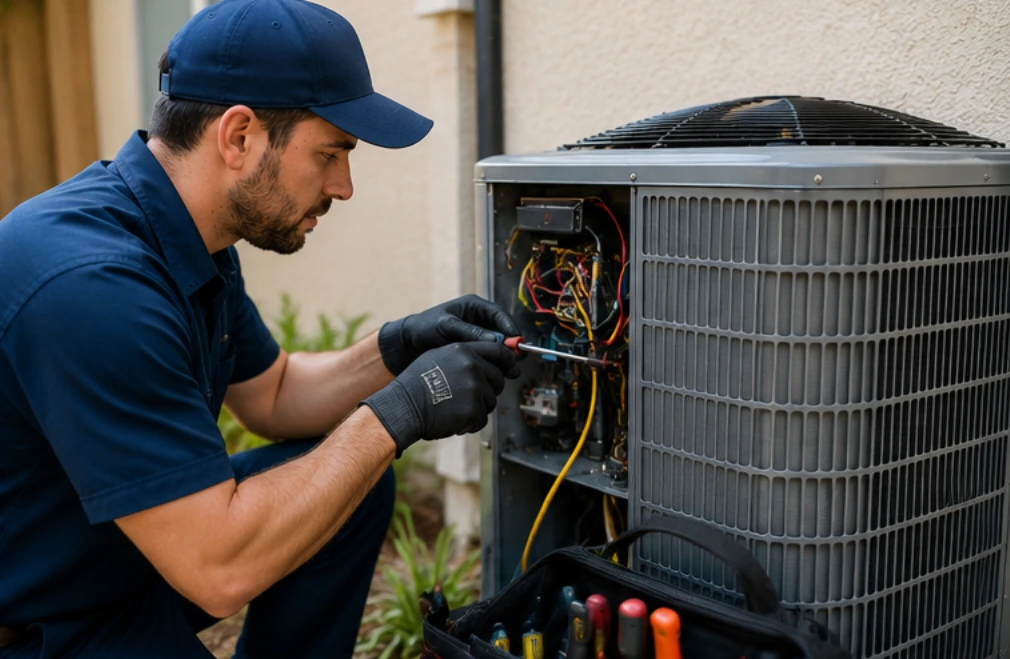
The goal of an emergency service visit is to identify the cause of the failure as efficiently as possible and restore safe, reliable cooling. Experienced technicians arrive with diagnostic tools and commonly needed replacement parts so that many problems can be corrected during the initial visit.
Rather than relying on guesswork, the technician evaluates the system systematically by checking thermostat signals, electrical components, refrigerant performance, airflow, and condensate drainage. This process quickly narrows down the cause of the shutdown and allows targeted repairs to be made.
What Homeowners Often Notice After Emergency Repair
- Cool Air Returns Promptly: The system begins lowering indoor temperatures again.
- Humidity Drops: The home feels more comfortable and less sticky.
- Normal Cycling Resumes: The AC no longer runs erratically or fails to start.
- Peace of Mind: You know the underlying issue has been identified and corrected.
When every hour without cooling matters, a fast and accurate diagnosis is the most effective way to get your home comfortable again.
What Technicians Check During an Urgent Repair Visit
During an emergency service call, the priority is to find the root cause of the failure quickly and determine whether the system can be restored safely the same day. Experienced technicians follow a structured diagnostic process rather than replacing parts based on assumptions.
The emergency inspection typically begins with the thermostat and electrical controls, then moves through the major components responsible for cooling, airflow, and condensate drainage. This systematic approach helps identify both the immediate cause of the shutdown and any related issues that may have contributed to the failure.
Key Areas Evaluated During Emergency Diagnostics
- Thermostat Operation: Confirms the system is receiving the proper cooling signal.
- Electrical Components: Capacitors, contactors, relays, and wiring are tested for faults.
- Refrigerant Performance: Pressures and temperatures are checked to verify cooling capacity.
- Airflow Conditions: Filters, blower motors, and evaporator coils are inspected.
- Condensate Drainage: Drain lines and float switches are checked for clogs and overflows.
- Safety Controls: Protective devices are tested to ensure the system can operate safely.
By the end of the visit, homeowners typically have a clear explanation of what failed, what was repaired, and what steps can help avoid future emergencies.
How Fast Repairs Help Prevent Further System Damage
When an air conditioner stops working, time matters. Continuing to run a struggling system or delaying service can place additional stress on major components and increase the cost of repairs.
For example, a weak capacitor may initially prevent the compressor from starting consistently. If ignored, repeated hard starts can overheat the compressor and shorten its lifespan. Similarly, a clogged condensate drain may seem minor at first but can quickly lead to water damage around the air handler.
Problems That Can Worsen Without Prompt Repair
| Initial Issue | Potential Consequence |
|---|---|
| Weak Capacitor | Compressor overheating |
| Dirty Coil | Excessive operating pressure |
| Low Refrigerant | Frozen coils and compressor damage |
| Drain Line Blockage | Ceiling stains and water damage |
| Blower Motor Wear | Poor airflow and system shutdown |
Fast, targeted repairs not only restore cooling but also help protect the most expensive components in your HVAC system.
How Preventive Maintenance Reduces Future AC Emergencies
Most emergency air conditioning breakdowns do not happen without warning. In many cases, a capacitor has been weakening for months, condenser coils have gradually become coated with pollen, or algae has been building inside the condensate drain line. Preventive maintenance allows these issues to be identified and corrected before they leave your home without cooling during a DMV summer heat wave.
During a professional tune-up, technicians inspect electrical components, test refrigerant performance, clean coils, verify airflow, and flush the condensate drain system. These routine services help your air conditioner operate more efficiently and reduce the likelihood of unexpected failures when outdoor temperatures are at their highest.
Benefits of Preventive AC Maintenance Service
- Fewer Surprise Breakdowns: Capacitors, contactors, and other wear-prone components are tested so they can be replaced before they fail during peak summer demand.
- Better Cooling Efficiency: Clean coils and unrestricted airflow allow the system to cool your home faster and maintain more consistent temperatures.
- Lower Energy Bills: When the equipment runs closer to its design specifications, it uses less electricity to achieve the same level of comfort.
- Longer Equipment Life: Reduced strain on the compressor, blower motor, and fan motors helps extend the overall lifespan of the system.
- Improved Indoor Comfort: Proper refrigerant levels and airflow enhance humidity control and eliminate many common hot and cold spots.
- Greater Peace of Mind: Your air conditioner is better prepared to handle long periods of hot and humid weather without unexpected interruptions.
A well-maintained air conditioner is far less likely to fail when you need it most. When an urgent cooling problem does occur, working with an experienced HVAC contractor ensures the issue is diagnosed quickly and repaired correctly the first time.
Why Choose Max HVAC for Emergency AC Repair in the DMV Area
When your air conditioner stops working during a heat wave, you need more than a quick temporary fix. You need an HVAC contractor who can respond promptly, diagnose the problem accurately, and restore dependable cooling as efficiently as possible.
Max HVAC provides trusted emergency AC repair services for homeowners throughout Springfield and the surrounding DMV Area. Our experienced technicians handle everything from capacitor failures and refrigerant issues to condensate drain problems and airflow restrictions.
Whether you need urgent emergency air conditioning repair or a complete AC system Replacement , we focus on restoring your comfort quickly and helping your home stay cool when you need it most.